


Created in the wake of the 1970s energy crisis, the guide has evolved with modern vehicle technologies and offers a clear look at how EV charging costs compare with fuelling an ICE vehicle
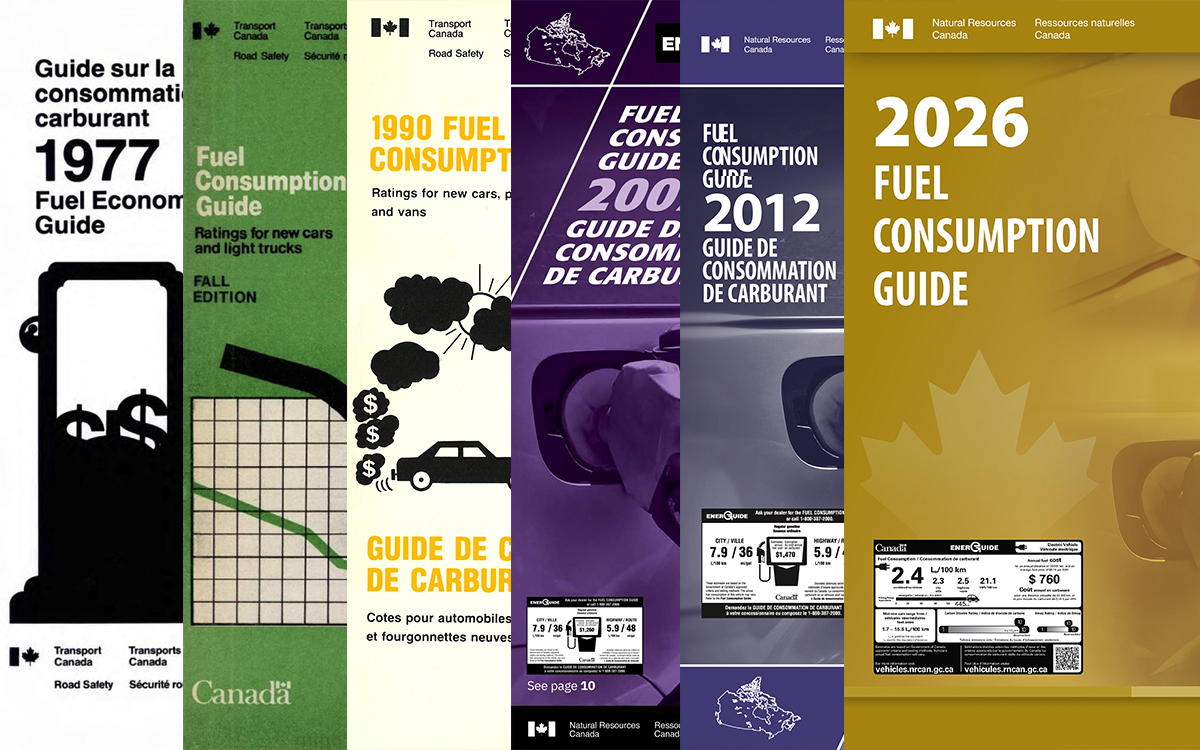
Created in the wake of the 1970s energy crisis, the guide has evolved with modern vehicle technologies and offers a clear look at how EV charging costs compare with fuelling an ICE vehicle
This year marks the 50th anniversary of the Natural Resources Canada (NRCan) Fuel Consumption Guide. It remains a central resource for comparing vehicle efficiency, emissions, and operating costs in Canada. Published annually and updated quarterly, the guide provides model-specific data for light-duty vehicles of all drivetrains, supporting informed purchasing decisions and broader efforts to reduce transportation emissions.
The guide lists every passenger vehicle available in Canada, with make, models and trims, engine and transmission types, and even emissions. Obviously, it lists the fuel economy of every vehicle, but it also includes an estimated annual fuel cost. Along with being a handy research tool for car purchasers, it illustrates the cost savings an electric vehicle (EV) owner will enjoy over those with a comparable internal combustion engine (ICE) vehicle.
And as the comparisons below make clear, those savings are significant.
Origins in energy security and fuel efficiency
The guide was introduced in the mid-1970s in response to global energy instability following the 1973 oil crisis, which prompted governments to prioritize fuel efficiency and consumer awareness. The first edition was released in 1976 by Transport Canada under the title Fuel Economy Guide. In 1979, it was renamed the Fuel Consumption Guide, a title that remains today.
Responsibility for the guide later shifted to Natural Resources Canada, which now produces it in collaboration with Environment and Climate Change Canada, Transport Canada and vehicle manufacturers.
Electric vehicles added as market shifts
A significant milestone was achieved in 2012, when the guide began incorporating data for EVs and plug-in hybrid electric vehicles (PHEVs). The addition reflected early growth in Canada’s electric vehicle market and the need for standardized comparisons across emerging zero-emission vehicle options.
Electric vehicle entries introduced new metrics, including energy consumption measured in kilowatt-hours and estimated driving range, together with traditional fuel consumption ratings. It also started using “gasoline litres equivalent per 100 kilometres (Le/100 km)”, for an “apples-to-apples” comparison of ICE vehicles. One litre of gasoline contains the energy equivalent of 8.9 kWh of electricity.
Operating cost gap between ICE and EVs
Recent model-year comparisons highlight a wide operating cost gap between conventional vehicles and electric vehicles across multiple segments, based on NRCan combined fuel consumption ratings (55 per cent city/45 per cent highway).
In this side-by-side comparison of ICE and EV vehicles in the same segments, the data shows that, depending on driving habits, an EV will save thousands of dollars per year.
The following annual fuel rates and estimated costs were calculated by NRCan using gasoline prices of $1.50 per litre for regular gasoline, $1.75 for premium fuel and $1.45 for diesel, with an electricity price of $0.18 per kWh, based on driving 20,000 km per year. All fuel economy ratings are combined.
Minicompacts
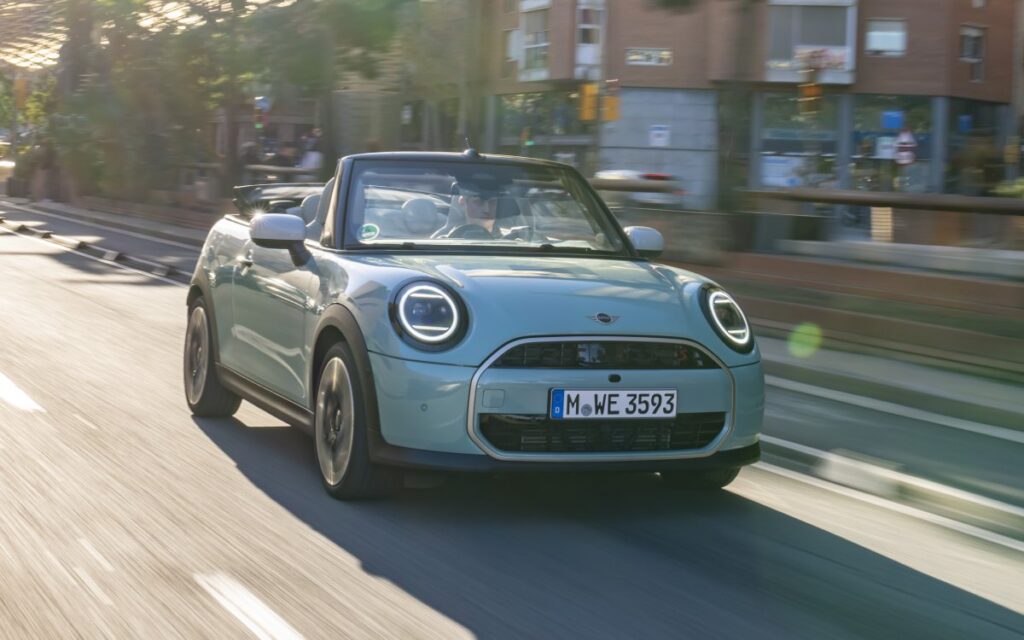
Mini Cooper Convertible
7.7 L/100 km
$2,695
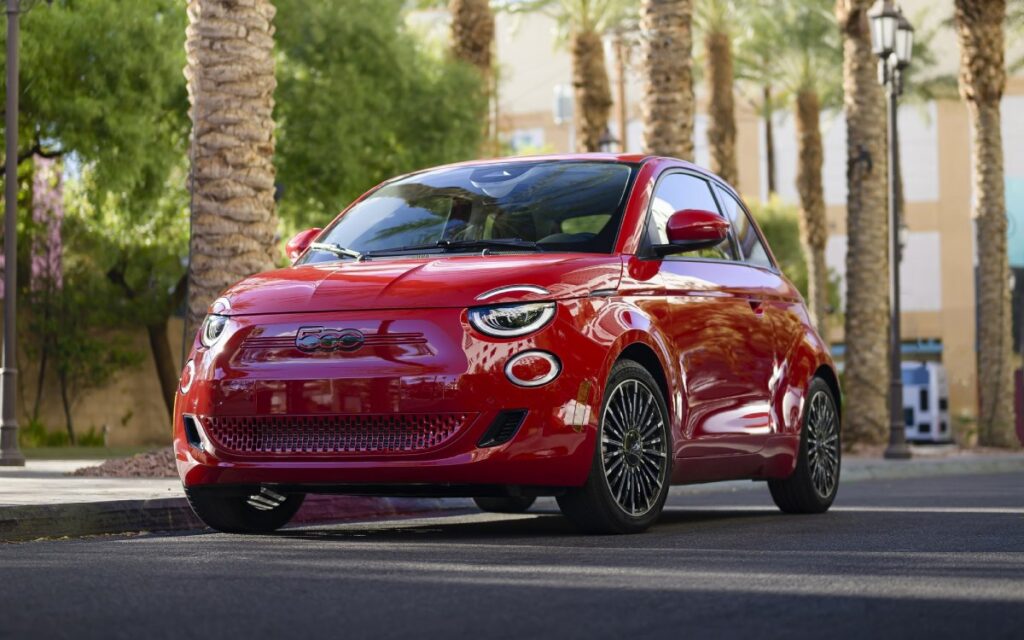
Fiat 500e
2.1 Le/100 km
$684
Midsize sedan

Hyundai Elantra Hybrid
4.7 L/100 km
$1,410
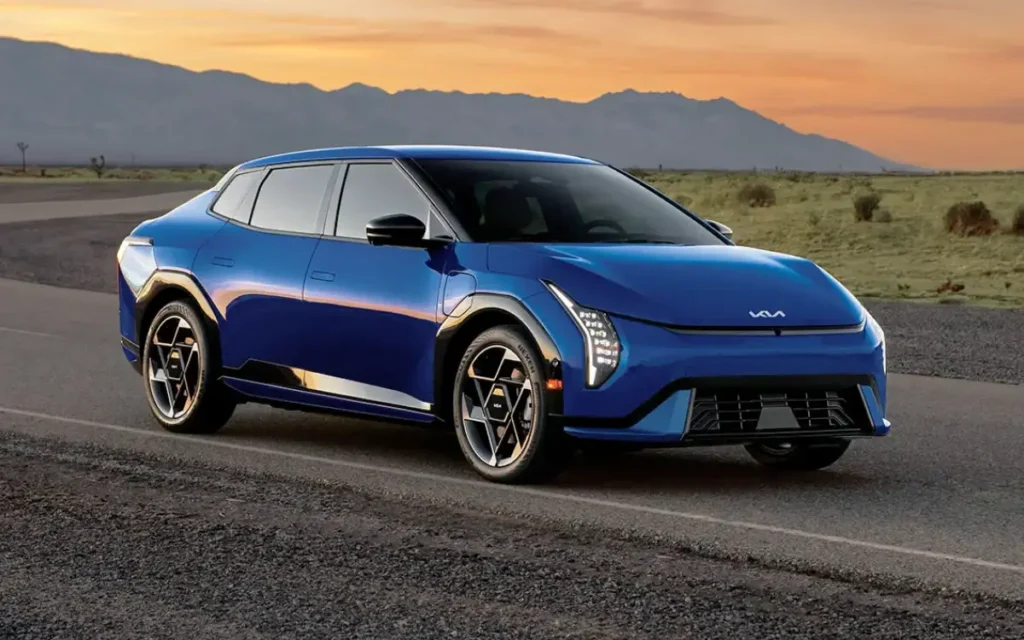
Kia EV4 Light, EV4 Wind
1.9 Le/100 km
$605
Pickup truck, standard
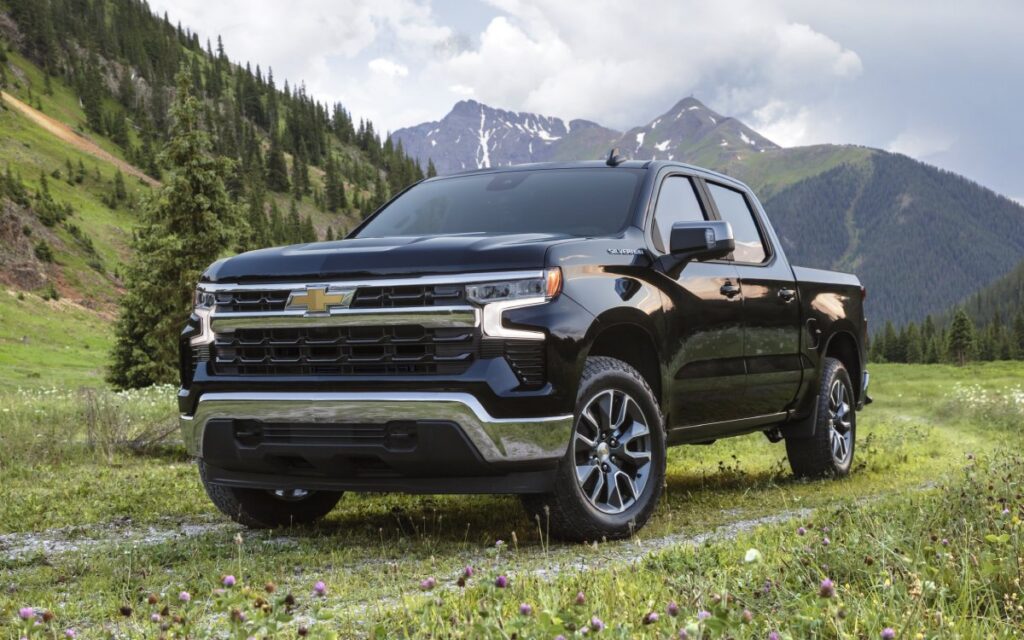

Chevrolet Silverado and GMC Sierra (with 3.0-litre diesel engines)
9.3 L/100 km
$2,697
Rivian R1T
2.7 Le/100 km
$868
Some automakers even have the same vehicles but with different drivetrains:
Fullsize coupe: Dodge
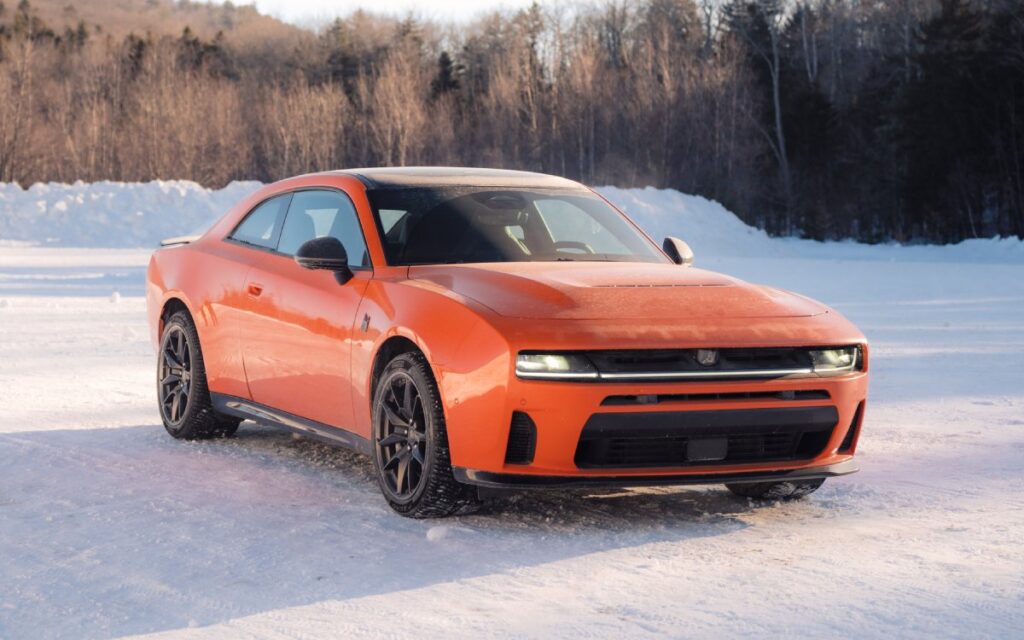
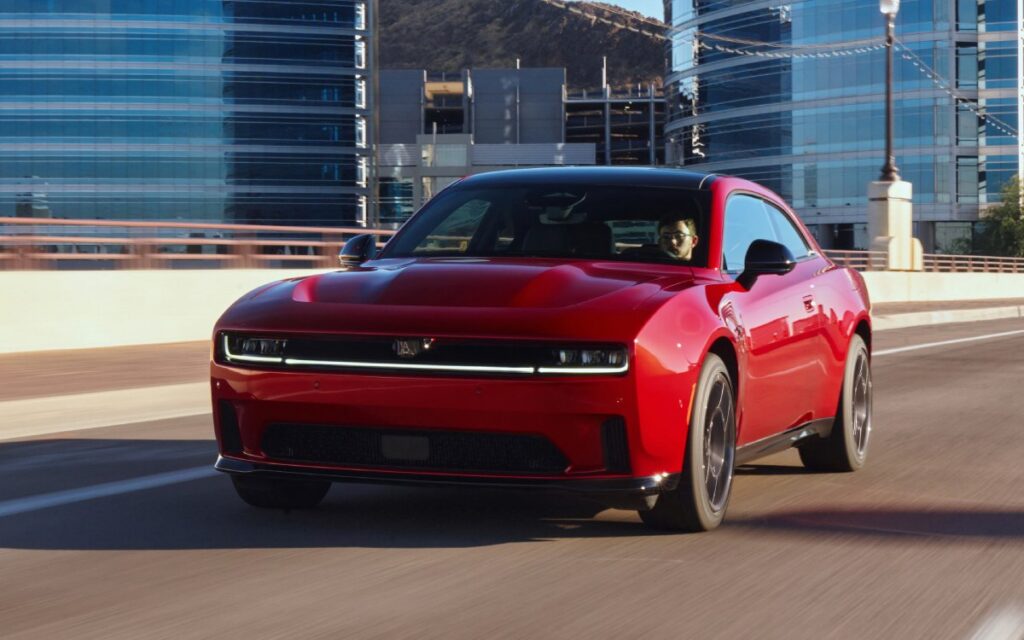
Dodge Charger Scat Pack
(3.0L)
12.5 L/100 km
$4,375
Dodge Charger Daytona
R/T AWD
2.5 Le/100 km
$796
Small Sport Utility Vehicle: Volvo
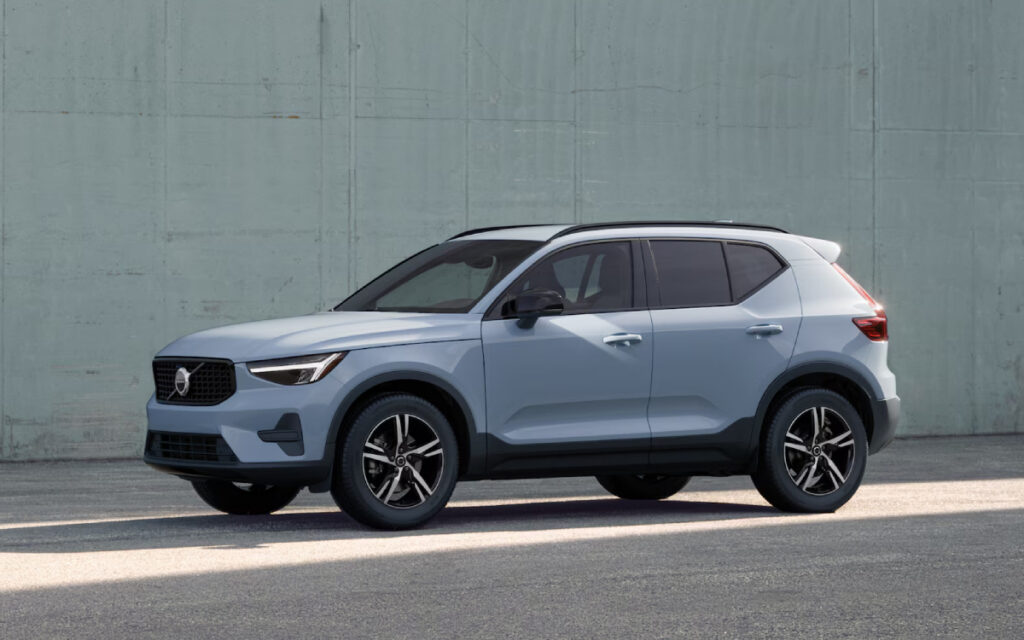
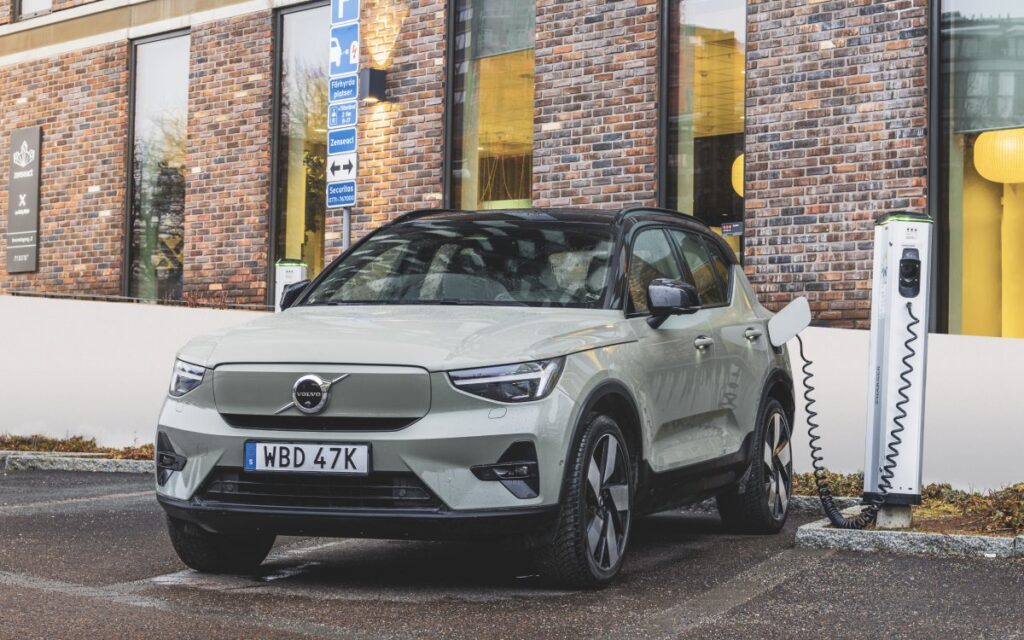
Volvo XC40
9.1 L/100 km
$3,185
Volvo EX40
(formerly XC40 Recharge)
2.2 Le/100 km
$709


