


Half-year quota features first-come, first-served administration with review that could change permit rules after Aug. 31
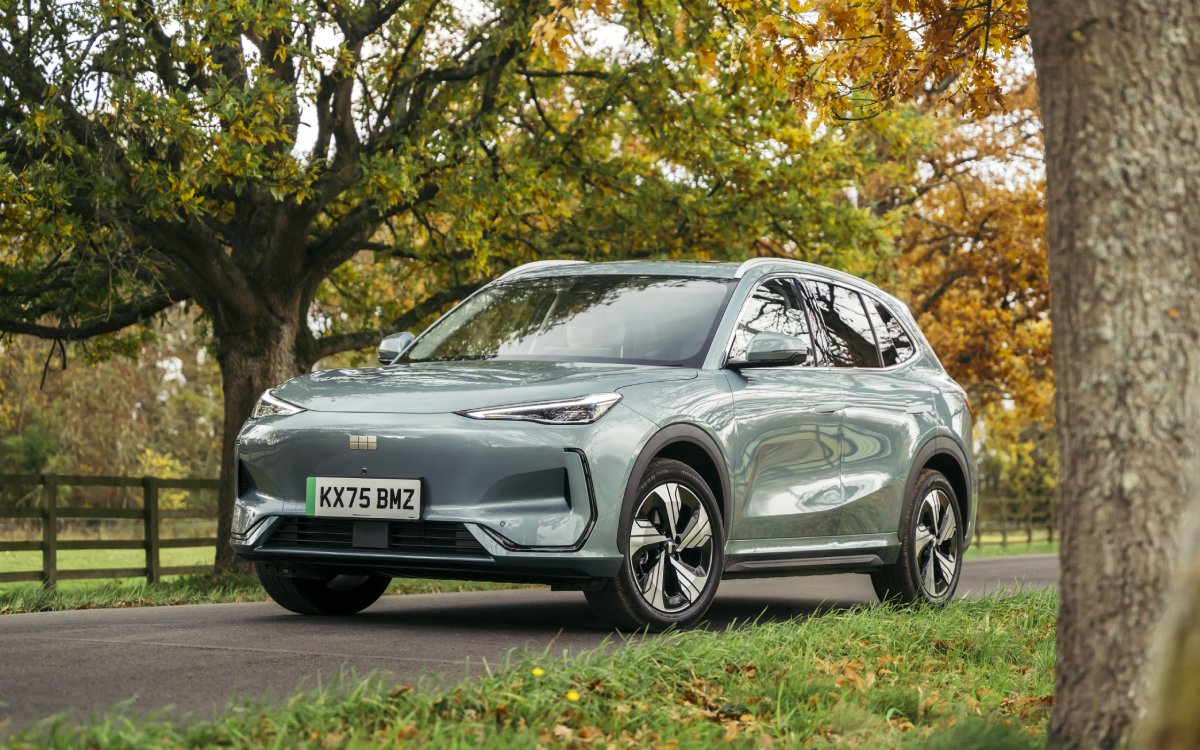
The Geely EX5 is an all-electric SUV from China. — Geely
Half-year quota features first-come, first-served administration with review that could change permit rules after Aug. 31
The Canadian government has officially opened the permit process for importing Chinese-built electric vehicles (EVs) into the country.
A notice issued by Global Affairs Canada (GAC) outlines how the Export and Import Permits Act — the legislation regulating the flow of goods into and out of Canada — is being amended to include Chinese-built EVs from March 1.
During the first six months of this first quota year — March 1 to Aug. 31 — Canada will allow 24,500 EVs into the country. Permits will be issued on a first-come, first-served basis to eligible OEMs based in Canada and will remain valid for 60 days. Non-resident OEMs may appoint an agent, who must be a resident of Canada.
Landmark agreement
On Jan. 16, Prime Minister Mark Carney reached an agreement with China to allow up to 49,000 Chinese-built EVs into the Canadian market each year. As part of the deal, Canada dropped its 100 per cent surtax and reduced tariffs to the most-favoured-nation rate of 6.1 per cent. That annual quota will rise to 70,000 vehicles annually by 2030, with a requirement that 50 per cent of them be priced at $35,000 or less.
Canada imposed the surtax on Chinese EVs in October 2024, in step with U.S. policy at the time.
Before the Aug. 31 deadline, GAC “will be undertaking consultations regarding the administration of this quota,” according to the notice, and will issue a new notice for the second half of the first quota year, which ends on February 28, 2027.
Eligible vehicles must comply with all Canadian safety regulations.
Volvo testing the waters
In an interview with Electric Autonomy in February, Volvo Cars Canada Managing Director Matt Girgis said the brand is “investigating the opportunity” to import Volvo electric vehicles from its Chinese factories. Volvo had been selling the Chinese-built EX30 here in Canada until the 2024 tariffs forced it to switch to vehicles built in Belgium.
Girgis updated Volvo’s stance in an email to Electric Autonomy: “At this time, we haven’t made any decisions regarding the quota and how it affects our supply chain in Canada,” he said. “We’re monitoring the developments and recent updates, as well as the implications. For now, [we] continue to comply with all government regulations and duties as is standard practice where we operate.”
Another automaker that might be planning to resume Chinese imports is Tesla. The U.S.-based automaker has removed its Model 3 inventory from its Canadian website. Until 2024, the automaker had been importing the all-electric sedan from its Gigafactory Shanghai until Canada imposed the 100 per cent tariffs, after which it switched to models built at its factory in Fremont, California.
Keeping U.S.-built cars out of Canada would allow Tesla to avoid the 25 per cent tariff Canada imposed last March in response to U.S. tariffs.


