


Just 603 vehicles entered Canada in September – down from 5,982 in July – as Tesla paused orders for its Shanghai-built Model 3
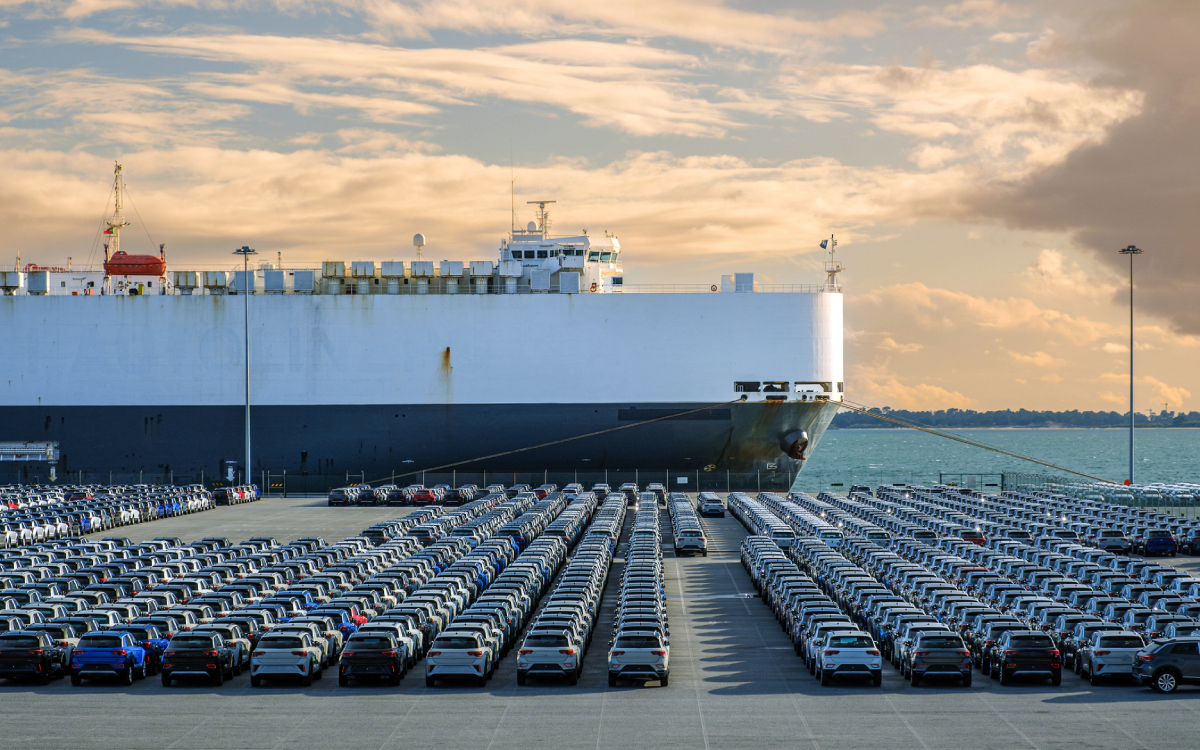
Canada has imported just 603 electrified vehicles from China in September 2026. – iStock
Just 603 vehicles entered Canada in September – down from 5,982 in July – as Tesla paused orders for its Shanghai-built Model 3
Imports of Chinese-built vehicles into Canada have slowed sharply in the second half of the first year of Ottawa’s new import quota, with Global Affairs Canada recording just 603 vehicles in September.
The figures, in a Global Affairs report updated Nov. 6, show 32,794 spots still available under the annual cap of 49,000 vehicles that can enter Canada at a 6.1 per cent tariff.
The quota replaced the 100 per cent surtax Ottawa had imposed on Chinese-made electric vehicles in 2024.
Where is Tesla?
Of the 603 vehicles imported in September, 443 were classified as non-plug-in hybrid SUVs and passenger vans valued above $35,000. Another 153 were battery-electric cars valued above $35,000, while only seven fully electric cars came in at or below that threshold.
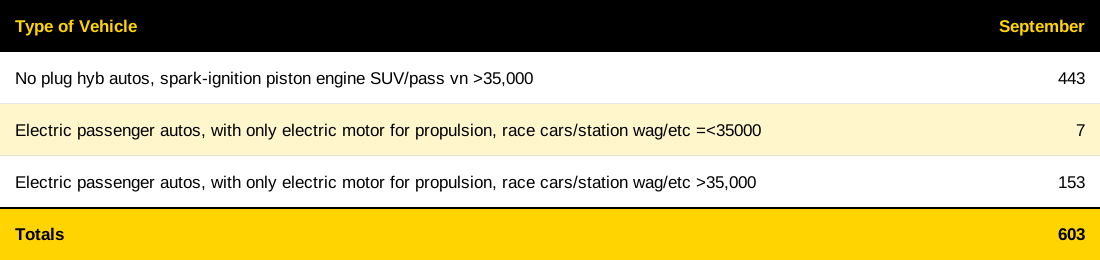
That low-priced category had been the busiest during the summer and its collapse lines up with a move by the automaker believed to be the biggest user of the quota.
Tesla stopped taking orders for its Shanghai-built Model 3, in both rear-wheel and all-wheel drive versions, on Oct. 12. A banner on the company’s Canadian website says orders are paused “after high demand exhausted Tesla’s import quota” and will resume if the federal government issues more quota, which it expects in March 2027.
While Tesla may have paused sales in October, vehicle imports would have ended the previous month.
The rear-wheel-drive version, priced at $39,490, had been the cheapest Model 3 in Canada. The only version still available to order is the Performance model, which is built at Tesla’s plant in Fremont, Calif., and is not subject to the Chinese quota.
Global Affairs’ $35,000 threshold is based on Customs Value for Duty, or the cost of the vehicle when it arrives at a Canadian port or border, and not retail MSRP.
Global Affairs does not publish import figures by company and it has not announced any cap on how much a single automaker can bring in.
Under the rules governing the program, permits are issued on a first-come, first-served basis. However, the department can set aside portions of the quota to ensure fair access.
Unused spots roll over
The first year of the program, which runs from March 1, 2026, to Feb. 28, 2027, is split into two six-month periods of 24,500 vehicles each. Any spots left unused in the first period roll over into the second.
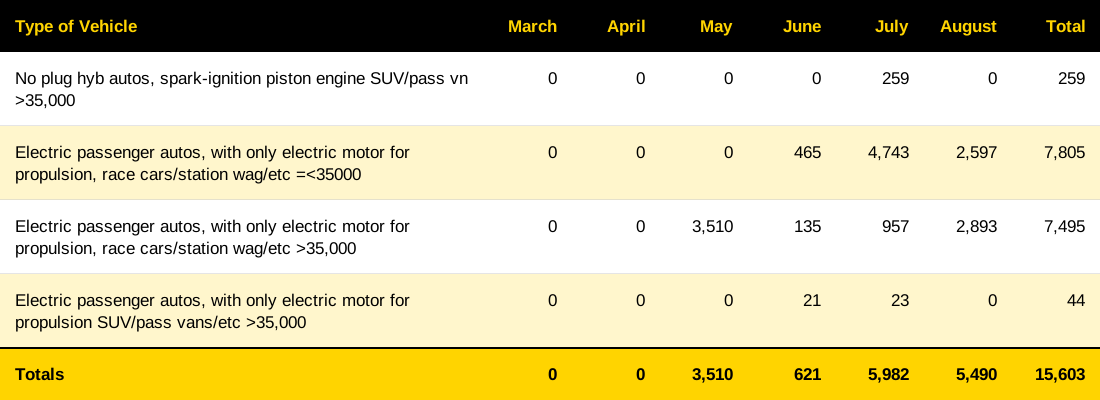
That rollover was substantial. During the first period, from March 1 to Aug. 31, importers used 15,603 of the 24,500 available spots, leaving 8,897 unused spots to roll over into the second period, bringing the second period’s available total to 33,397.
No vehicles were recorded in March or April. Imports began in May with 3,510 vehicles, dipped to 621 in June, then surged to 5,982 in July and 5,490 in August.
More than 32,000 spots available
Electric cars valued at or under $35,000 — the customs category that would include the Model 3 Premium, since the threshold applies to import value rather than sticker price — accounted for 7,805 of the first-period total. That category climbed from 465 vehicles in June to 4,743 in July before easing to 2,597 in August.
Higher-priced electric cars made up another 7,495 vehicles, while 259 non-plug-in hybrid SUVs and 44 electric SUVs and vans rounded out the total.
With nearly four months left in the second period, more than 32,000 spots remain open to automakers looking to ship vehicles from China.
Chinese OEMs such as BYD, Geely and Dongfeng have expressed their intents to enter the Canadian market, either by the end of this year or early 2027.


