


Industry association Electric Mobility Canada and Quebec EV group AVEQ find five major parties offer different approaches to EV sales targets, home charging and zero-emission trucks
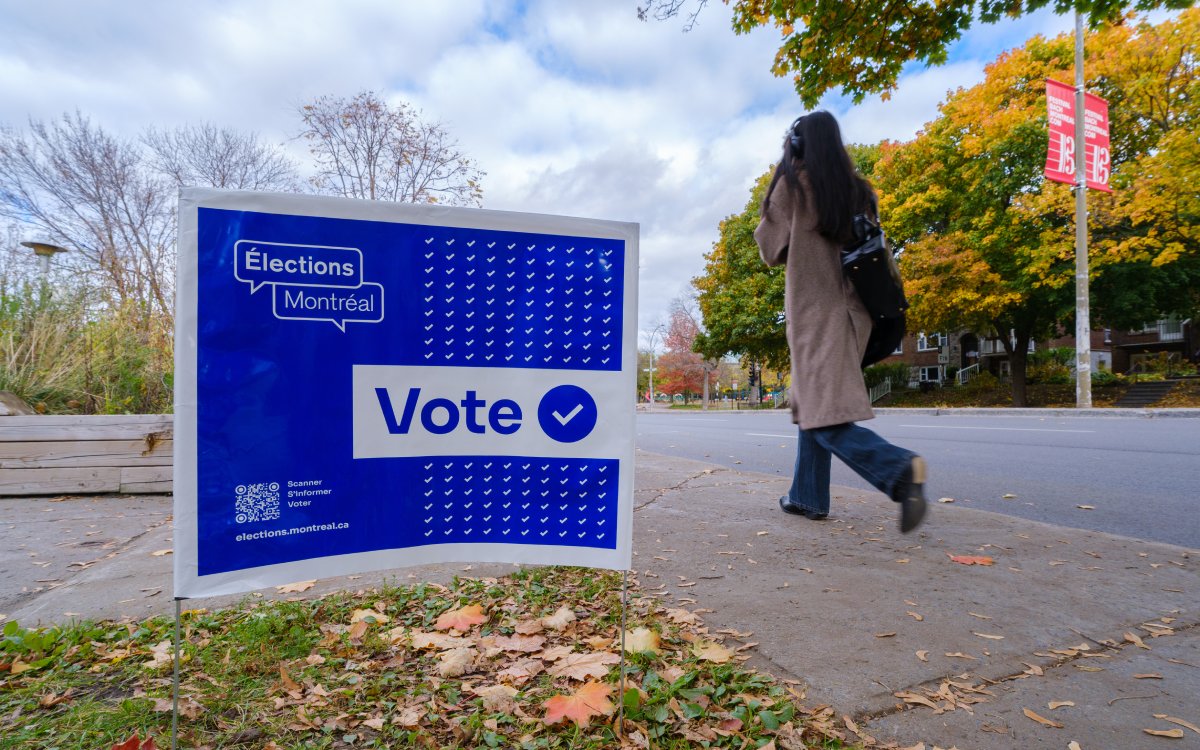
The 2026 Quebec provincial elections are set for Monday, Oct. 5. – iStock
Industry association Electric Mobility Canada and Quebec EV group AVEQ find five major parties offer different approaches to EV sales targets, home charging and zero-emission trucks
Ahead of the provincial election slated for Monday, Quebec’s major parties agree on little when it comes to electric vehicles, according to two analysis done by Electric Mobility Canada (EMC) and Association des véhicules électriques du Québec (AVEQ).
EMC, a non-profit industry group, and AVEQ, a non-profit EV association, say the platform splits are over whether to keep the province’s sales mandate, the use of EV rebates and who should pay for the transition, among other topics.
EMC’s report is based on the five parties’ published platforms, the Sept. 24 leaders’ debate and campaign statements.
The study from AVEQ is based on questionnaires sent to each party, government website information, published party platforms and other news sources.
ZEV mandates
The Liberals, Coalition Avenir Québec and Parti Québécois would all keep some form of zero-emission vehicle (ZEV) sales standard. The Liberals would maintain the CAQ’s credit-based system with a target of 80 per cent of new sales by 2035, including credits for non-rechargeable hybrids for the 2025, 2026 and 2027 model years.
The governing CAQ had reduced the ZEV target in June from 100 per cent in 2035 and included non-rechargeable hybrids at that time. Its plans for a next mandate remain the same.
The Parti Québécois (PQ) would aim higher at 85 per cent by 2034 and exclude non-rechargeable hybrids from the credit system. The Québec solidaire party is also opting for a stronger approach and would reinstate a ban on new gasoline-powered light-duty vehicle sales starting in 2035 and bar registration of new ones from 2045.
The Conservative Party of Quebec would eliminate the standard altogether and withdraw from the province’s cap-and-trade system.
Rebates
Purchase incentives are another dividing line.
The CAQ, which brought back the Roulez vert EV rebate program last year, has already planned to end it in December. It also wants to introduce an annual registration tax in 2027, with $125 for battery-electric vehicles and $62.50 for plug-in hybrids.
The PQ would keep the current $2,000 rebate for vehicles priced under $50,000 but phase it out over four years and limit the number of vehicles per person and company. It would also consider a larger rebate for vehicles under $35,000.
Québec solidaire would continue Roulez vert for another four years. It also would commit $10 million to “create an Old Cars program that will offer $1,000 to people who get rid of their vehicles over 15 years old and will grant them an annual public transit pass for one year or a subscription to a car-sharing service,” according to the AVEQ report.
The Liberals oppose the cancellation of Roulez vert and want to evaluate subsidies based on available funding. They do not, however, offer further details on funding or timeframes.
According to a reply by the Conservative party to AVEQ, it seems to favour eliminating EV rebates altogether. “The PCQ wants to allow Quebecers to choose the vehicle that suits their needs, their budget and their reality, without the government deciding for them.”
Charging
On charging, the CAQ would offer a fixed $600 towards home charging equipment and, in some cases, cover 50 per cent of installation costs. The PQ would also help with home charging, speed up DC fast-charger deployment along highways and promote vehicle-to-grid technology.
It targets 6,700 public fast charging points and 110,000 public level 2 charging points by 2030.
Québec solidaire would add public and residential stations, while the Liberals’ stance is to “rely on experts” for infrastructure deployment.
AVEQ’s report asks the parties about the “right to charge” for people in multi-unit residential buildings (MURBs). The CAQ targets 35 per cent of parking spaces in MURBS — around 600,000 spots — to be equipped with chargers by 2030.
The Conservatives promise to simplify the building code without further details. The Liberals acknowledge the need for new construction to include ZEV charging infrastructure but also offer no details.
The PQ and Québec solidaire will rely on charging installation rebates.
Commercial vehicles
Parties also differ on commercial vehicles. Québec solidaire would set a ZEV standard for medium- and heavy-duty trucks and aim for zero-emission local delivery vehicles and taxis by 2035. The CAQ would end the Programme Écocamionnage MHDV incentive program on March 31, 2028, while the Liberals would evaluate whether to continue with it.
For more detailed analysis and data, read the EMC report and visit the AVEQ website.


